



Car Care
Warning: Severe Driving Conditions!
Affecting all vehicle brands, "severe" driving conditions require more frequent service intervals. For Phoenix drivers, these conditions include extreme temperatures and dusty environments. For cold climates, consistent subzero temperatures may be the problem.
At the beach, some drivers will have to be aware of what salt water is doing to their car. For those living in mountain communities, brakes will get excessive use and will need speedier maintenance intervals. Plus, all drivers need to be aware that frequent short trips and stop-and-go traffic can contribute to the worst wear and tear, regardless of weather.
So how should Arizona drivers react to severe driving threats? They simply need to adjust standard recommendations to reflect the reality of desert driving. With this in mind, time-based maintenance becomes increasingly important.
SCHEDULE SERVICE
Desert Heat: Why Months May Matter More Than Miles in Gilbert and Chandler
When temperatures soar above 115°F for weeks at a time, your car’s components face stress that simply doesn't exist in milder climates. This heat acceleration affects nearly every fluid and system in your vehicle, making calendar-based maintenance more critical than in other regions.
Engine oil, for example, breaks down much faster in extreme heat. While synthetic oil might normally last 10,000 miles in moderate climates, the constant heat stress in Gilbert and Chandler can reduce its effective life to just 6,000-7,500 miles. By then, your oil has endured a full Arizona summer and may be significantly degraded regardless of mileage.
In another example, Arizona's heat can cut battery lifespan in half. Heat accelerates the chemical reactions inside batteries, causing them to fail just when you need them most—during summer's peak cooling demands. A battery that would last 50,000 miles in Kansas might fail after just 30,000 miles in the Valley, regardless of how those miles accumulated.
Your Hyundai's cooling system faces perhaps the greatest challenge. Coolant doesn't just protect against freezing; it prevents overheating and contains additives that protect internal engine components. In Arizona's heat, these additives break down faster, and the cooling system works continuously rather than cyclically. A cooling system that might function adequately for two years in moderate climates may need attention after just 18 months in desert conditions.
Even components like tires experience accelerated wear from heat cycling. The daily temperature swings from overnight lows in the 80s to daytime highs above 110°F cause constant expansion and contraction. Hot pavement exacerbates this stress, making proper tire pressure monitoring and regular rotation more time-sensitive than mileage-dependent.
Ready to improve your ride? Click here for the current service specials.

Hyundai's Recommended Maintenance Intervals: The Baseline
Hyundai engineers have designed recommended maintenance schedules that keep your vehicle running reliably for years. For most Hyundai models, the standard service interval is every 7,500 miles or 12 months, whichever comes first.

Component-by-Component: Does Mileage or Time Take Priority
Understanding which services depend more on time versus mileage, Arizona drivers can make informed maintenance decisions. In our desert climate, many traditionally mileage-based services become time-critical due to environmental stress.
Time-Critical Services (Months Win)
Engine Oil & Filter changes represent the most obvious example where time overrules mileage in desert climates. While Hyundai recommends oil changes every 7,500 miles or 12 months, Arizona drivers should lean toward every 4-6 months during peak summer periods. The constant heat breaks down oil's molecular structure and depletes additives faster than normal driving would accumulate contaminants.
Coolant System maintenance becomes absolutely time-critical in Arizona. Annual coolant system inspections should be considered minimum requirements, with fluid changes potentially needed every 18-24 months instead of the typical 30,000-mile intervals. The system's constant operation in extreme heat degrades coolant additives that prevent corrosion and scale buildup.
Battery testing and replacement follows time-based schedules in Arizona heat. Batteries should be tested every six months during summer and replaced every 2-3 years regardless of mileage. The heat stress is cumulative and time-dependent, not related to how many miles you've driven.
A/C System service absolutely depends on calendar timing rather than mileage. Refrigerant levels, belt condition, and system efficiency all degrade with time and heat exposure, making annual service essential regardless of driving frequency. Pre-summer A/C service ensures your system is ready for months of continuous operation. A post-summer check-up is often a good idea, too.
Mileage-Critical Services (Miles Win)
Transmission Service remains primarily mileage-dependent because wear occurs through gear changes and automatic transmission fluid circulation. Whether you accumulate 30,000 miles in two years or four years, the transmission experiences similar mechanical wear. However, severe heat can accelerate fluid breakdown, so don't exceed time limits even if mileage targets aren't reached.
Spark Plugs last for specific mileage intervals—typically around 95,000 miles for most Hyundai engines. The primary wear mechanism relates to combustion cycles, making mileage the primary replacement trigger. However, keep in mind that stress can affect spark plug electrodes.
Major Service Intervals at 30,000, 60,000, and 90,000 miles involve comprehensive inspections and component replacements based on expected wear patterns. Arizona drivers might benefit from slightly accelerated schedules.
Blended Approach (Whichever Comes First)
Tire Rotation should occur every 5,000-7,500 miles or six months because both mileage and time affect tire wear. High mileage creates obvious wear patterns, but time allows heat stress and UV exposure to degrade rubber compounds.
Air Filter replacement traditionally follows 15,000-mile intervals, but Arizona's dusty conditions and frequent haboobs make time-based replacement every 12 months more practical. Spring replacement before summer dust season proves particularly effective.
Brake Inspections should occur every 15,000 miles or annually. Stop-and-go traffic creates mileage-based wear, but heat stress on brake fluid and components makes annual inspection prudent regardless of driving patterns.
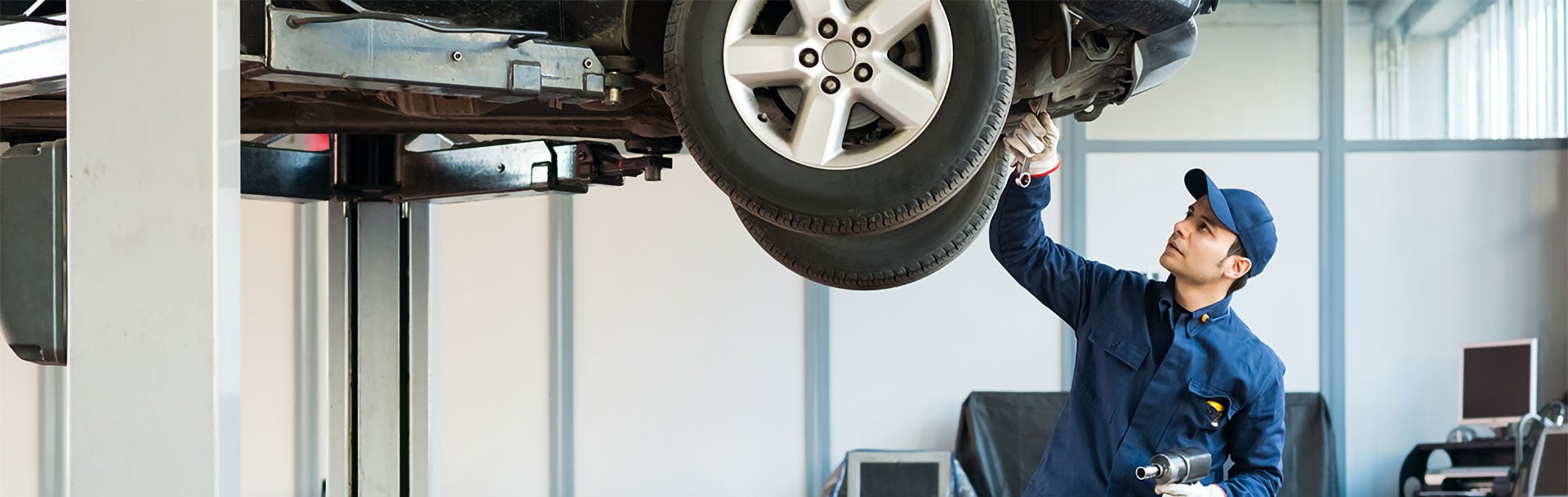
Gilbert and Chandler Driving: How Local Conditions Affect Your Maintenance Schedule
Local driving patterns in Gilbert and Chandler create specific maintenance challenges that generic schedules don't address. Understanding these local factors helps you customize your Hyundai's maintenance timing.
Stop-and-go traffic on Loop 202 and Highway 60 during rush hours creates severe stress on cooling systems, transmissions, and brakes. Your engine runs hot while moving slowly, your transmission works harder in lower gears, and your brakes experience frequent heating cycles. These conditions make regular maintenance more critical.
Dust storms impact air filtration systems more severely than normal driving conditions. A single haboob can clog air filters that might otherwise last months. Meanwhile monsoon rains create muddy conditions that stress various systems. Seasonal filter replacements, regardless of mileage, become practical necessities.
Parking in direct sunlight affects nearly every system in your vehicle. Dashboard and interior components suffer UV damage, while engine bay temperatures can soar even when parked. Vehicles parked outdoors require more frequent inspections of belts, hoses, and fluid levels than garage-kept vehicles.
Driving Pattern Considerations:
Daily Commuters traveling Gilbert to Phoenix routes require more frequent A/C and cooling system attention due to extended periods of heat stress. The combination of traffic and distance means your systems work continuously rather than intermittently.
Local Errands drivers face challenges from frequent short trips that prevent engines from reaching optimal temperature. This affects oil life and can cause moisture accumulation, making time-based oil changes more important than mileage accumulation.
Weekend Warriors with infrequent driving patterns need time-based maintenance because heat stress occurs even when parked. Monthly battery checks and quarterly oil changes become more important than annual mileage accumulation.

Investing in Time-Based Maintenance: How to Avoid the Worst Repair Bills
More frequent maintenance may seem expensive initially, but long-term financial benefits in Arizona's climate are substantial. Heat-related failures often cascade, turning minor maintenance oversights into major repair bills.
Annual air conditioning service costs around $150-200, but A/C compressor replacement can cost $1,500-2,500. In Arizona's climate, A/C systems that receive regular maintenance last significantly longer than those serviced only when problems arise. The mathematics strongly favor preventive maintenance.
Battery replacement provides another clear example. Emergency battery replacement during summer heat can cost $200+ and leave you stranded, while proactive replacement during moderate weather costs less and avoids inconvenience. Testing costs under $25 and can predict failures before they occur.
Coolant system maintenance offers perhaps the strongest financial argument for time-based service. Cooling system failure in Arizona heat can lead to engine overheating and potential engine damage costing thousands. Regular coolant service costing $120-150 annually prevents most overheating incidents.
From a warranty perspective, maintaining manufacturer-recommended service intervals—whether time or mileage-based—protects your coverage. Hyundai's comprehensive 5-year/60,000-mile warranty and 10-year/100,000-mile powertrain coverage require documented maintenance. Time-based maintenance in severe conditions like Arizona actually demonstrates better care than minimal mileage-based service.
Resale value considerations also favor comprehensive maintenance records. Arizona used car buyers understand local driving conditions and value vehicles with documented maintenance that addresses climate challenges. Well-maintained vehicles show less visible wear from heat exposure and command higher resale prices.
Conclusion
At Earnhardt Hyundai San Tan, we understand these local challenges. Our service team will assess your specific needs and help you develop a maintenance calendar that keeps your Hyundai running reliably through every Arizona summer.
Schedule your service appointment online or call us today—because in Arizona's heat, the right maintenance schedule isn't just about performance, it's about reliability when you need it most.
SCHEDULE SERVICE
Price(s) plus government fees such as Tax, Title & License. On all vehicles, actual vehicle sale price and payments may vary for various reasons - including but not limited to - applicable manufacturer rebates, special limited time offers, dealer incentives, government taxes, licensing fees, buyer's credit qualifications, dealer installed accessories or market product (or vehicle) scarcity. Financing on approved credit. Must qualify for some offers. Some offers may not be available with special financing, lease and certain other offers.
Although every reasonable effort has been made to ensure the accuracy of the information contained on our website,absolute accuracy cannot be guaranteed. Dealer cannot be held liable for data that may be listed incorrectly. While we make every effort to ensure the data listed here is correct, there may be instances where some of the factory rebates, rates, incentives, options or vehicle features may be listed incorrectly as we receive data from multiple data sources. All vehicles are subject to prior sale. Not responsible for typographical errors. Equipment added by the dealer or the purchaser will increase the overall transaction amount
Refer to our Privacy and User Consent for details about information we collect and various communication methods we will use to assist customers. By providing your contact information to ANY form contained in – or connected to – this website, you are hereby agreeing to receive text messages from this dealership and our affiliates or partners at the number(s) and/or information which you have provided. You are also expressly consenting to recurring contact from the aforementioned company or its business partners at the number you provided regarding products or services via live, automated or prerecorded telephone call, text message or email. You understand that your telephone provider may impose charges on you for these contacts, and you are not required to enter into this agreement/consent as a condition of purchasing property, goods, or services. You also understand that you may revoke this consent at any time by notifying the dealership in writing.
More Info
Compare Certified Programs
 Hyundai Certified Used Vehicles
|
 Hyundai Select Used
|
|
|---|---|---|
| Vehicle eligibility | 6 model years old and newer with 80k miles or less |
|
| Vehicle inspection | 173-point inspection | 117-point inspection |
| Limited warranties |
|
|
| If anything happens |
|
|
| Complimentary trials |
|
|
Earnhardt Hyundai San Tan

Address
3252 S. Auto Way
Gilbert, AZ 85297
Phone
- Sales 833-398-0362
- Service 833-398-0364
- Parts 833-398-0363
| Monday | 8:00AM - 9:00PM |
| Tuesday | 8:00AM - 9:00PM |
| Wednesday | 8:00AM - 9:00PM |
| Thursday | 8:00AM - 9:00PM |
| Friday | 8:00AM - 9:00PM |
| Saturday | 8:00AM - 8:00PM |
| Sunday | 10:00AM - 6:00PM |
| Monday | 7:00AM - 6:00PM |
| Tuesday | 7:00AM - 6:00PM |
| Wednesday | 7:00AM - 6:00PM |
| Thursday | 7:00AM - 6:00PM |
| Friday | 7:00AM - 6:00PM |
| Saturday | 7:00AM - 4:00PM |
| Sunday | Closed |
| Monday | 7:00AM - 6:00PM |
| Tuesday | 7:00AM - 6:00PM |
| Wednesday | 7:00AM - 6:00PM |
| Thursday | 7:00AM - 6:00PM |
| Friday | 7:00AM - 6:00PM |
| Saturday | 7:00AM - 4:00PM |
| Sunday | Closed |
